
For How to Use AI-Powered Voice Synthesis to Create Monetizable Audio Content Without Technical Skills, start by matching the available options to the reader’s actual goal, constraints, budget, and required outcome, then favor the option that meets those needs with the least unnecessary complexity. AI-powered voice synthesis has revolutionized content creation by enabling users without technical expertise to produce high-quality audio content quickly and affordably. This technology leverages advanced text-to-speech (TTS) and natural language processing (NLP) techniques to generate natural-sounding voiceovers from written text, opening new avenues for monetization in podcasts, audiobooks, and other audio formats.
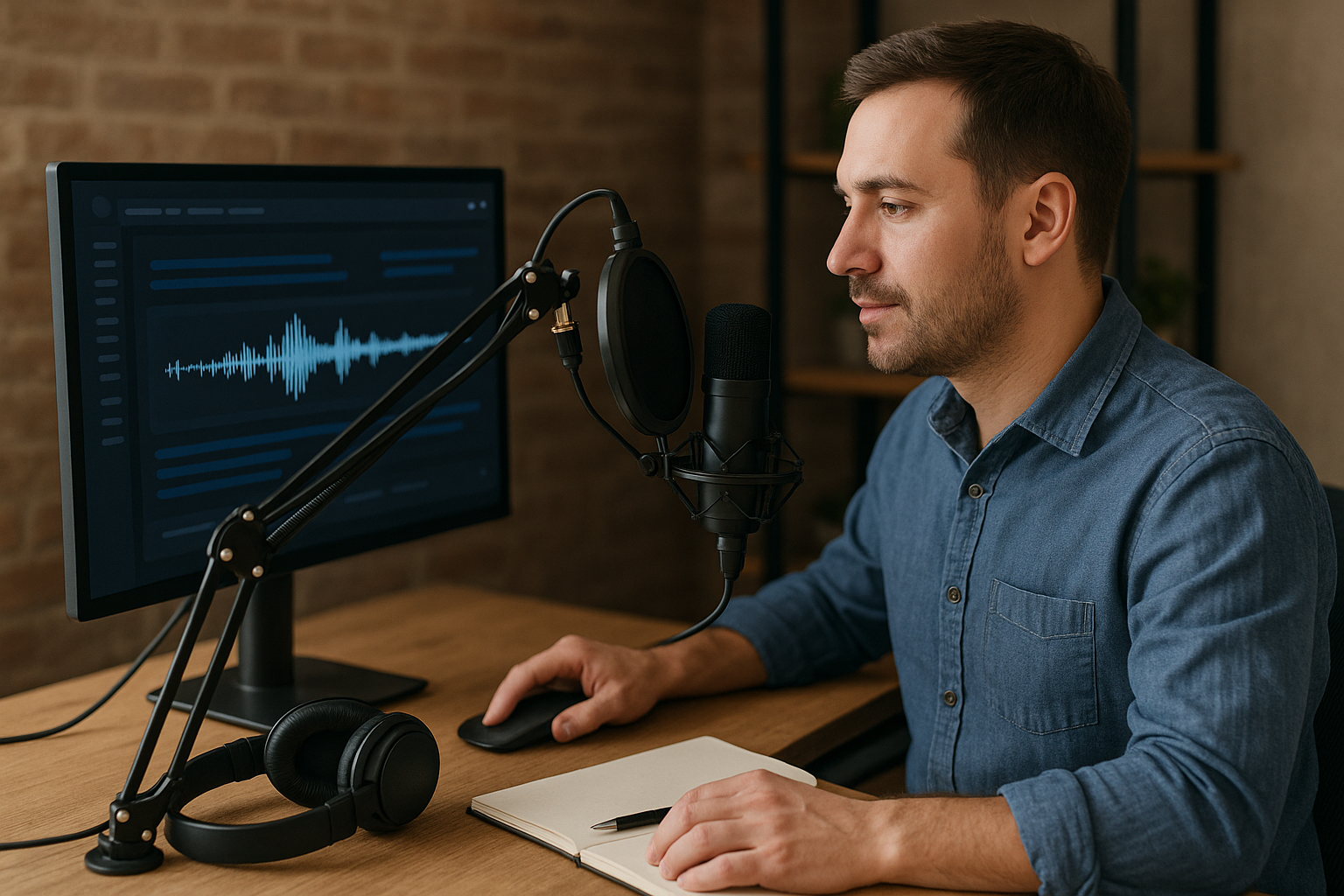
For beginners interested in generating income through audio content, understanding how to effectively use AI voice synthesis tools is crucial. This guide provides a step-by-step approach to creating monetizable audio content without requiring coding skills or expensive equipment, focusing on practical implementation, common pitfalls, and verification methods to ensure professional results.
How to Use AI-Powered Voice Synthesis to Create Monetizable Audio Content Without Technical Skills
To create monetizable audio content using AI-powered voice synthesis without technical skills, start by selecting a reliable AI voice synthesis platform that offers user-friendly interfaces and natural-sounding voices. Prepare your scripts with clear, engaging content optimized for audio delivery. Use the platform’s text-to-speech features to generate audio files, then enhance them with royalty-free music or sound effects if desired. Finally, distribute your audio content through podcast hosting services or other monetization platforms, ensuring compliance with licensing and quality standards to maximize audience engagement and revenue potential. When evaluating this topic, verify current information related to Voice Cloning and Audio Monetization Platforms before making a pricing or service decision. For additional context, see how to choose ai automation platforms that maximize affiliate marketing efficiency.
Prerequisites and Required Tools for AI-Powered Voice Synthesis
Before starting with AI-powered voice synthesis, ensure you have access to a computer or mobile device with internet connectivity. Choose an AI voice synthesis platform that supports natural language processing (NLP) and offers a variety of voice options, including different accents and tones. Familiarity with basic scriptwriting principles will help in crafting engaging audio content. Additionally, access to royalty-free music libraries can enhance the audio experience without incurring copyright issues. You may also want to compare this with best ai tools for automating affiliate product review generation and monetization.
Essential tools include a reliable text-to-speech (TTS) service such as Google Cloud Text-to-Speech, Amazon Polly, or specialized platforms like Descript or Murf.ai. Podcast hosting services like Anchor or Podbean are necessary for distribution and monetization. Understanding the basics of audio editing software, even simple ones like Audacity, can improve the final product quality.
Implementation Steps for Creating Monetizable Audio Content
Begin by drafting a clear and concise script tailored for audio consumption, focusing on conversational tone and pacing. Upload or input the script into your chosen AI voice synthesis platform, selecting a voice that matches your content’s style and target audience. Generate the audio file and review it for clarity, pronunciation, and naturalness. Related guidance is available in how to choose the right ai platforms for automating social media marketing.
Next, enhance your audio by adding background music or sound effects from royalty-free libraries to increase listener engagement. Use basic audio editing tools to adjust volume levels and remove any unwanted noise. Finally, upload your finished audio content to podcast hosting platforms or other monetization channels, setting up appropriate metadata and descriptions to optimize discoverability.
Common Mistakes and Risks When Using AI Voice Synthesis
A common mistake is relying solely on AI-generated audio without reviewing for errors or unnatural phrasing, which can reduce listener trust and engagement. Overusing synthetic voices without variation may result in monotonous content that fails to captivate audiences. Additionally, neglecting copyright considerations for background music or sound effects can lead to legal issues. For another practical perspective, review how to use ai chatbot builders to generate passive income streams.
Another risk is choosing low-quality voice synthesis services that produce robotic or unnatural speech, which can harm your brand reputation. Beginners may also underestimate the importance of script quality, leading to content that is difficult to follow or unappealing. Avoid skipping the editing phase, as raw AI-generated audio often requires refinement to meet professional standards.
How to Verify Quality and Effectiveness of Synthesized Audio
Verify the quality of synthesized audio by listening critically for pronunciation accuracy, natural intonation, and pacing. Use feedback from a sample audience or peers to identify areas for improvement. Check that background music and sound effects do not overpower the voice and that overall audio levels are balanced. A useful next reference is how to use ai tools for automating affiliate link cloaking and tracking.
Ensure compliance with platform guidelines and copyright laws by confirming that all audio elements are properly licensed. Test the audio on multiple devices and environments to guarantee consistent playback quality. Monitoring listener engagement metrics on hosting platforms can also serve as an indirect measure of content effectiveness.
Expected Outcomes and Next Steps for Monetizing Audio Content
Successful implementation results in clear, engaging audio content that attracts and retains listeners, enabling monetization through ads, sponsorships, or premium subscriptions. Beginners can expect to build a portfolio of audio episodes or clips that demonstrate consistent quality and audience appeal.
Next steps include expanding your content library, experimenting with different voice styles, and optimizing distribution channels. Leveraging analytics from hosting platforms can guide content improvements and marketing strategies, increasing revenue potential over time.
Practical Use Cases and When AI Voice Synthesis Works Best
AI-powered voice synthesis is particularly effective for creating podcasts, audiobooks, instructional content, and marketing materials without hiring voice actors. It works best when the content is well-structured and benefits from consistent voice delivery, such as educational series or news summaries.
This approach suits creators who prioritize speed and cost-efficiency over bespoke voice performances. It also enables rapid content iteration and localization by easily switching voices or languages, broadening audience reach.
Limitations and Caveats of AI-Powered Voice Synthesis
Despite its advantages, AI voice synthesis has limitations including occasional unnatural inflections and difficulty conveying complex emotions. It may not fully replace human voice actors for highly nuanced or dramatic performances.
Caveats include the need for ongoing script refinement and audio editing to maintain quality. Additionally, some platforms impose usage restrictions or require subscription fees, which can impact scalability. Users should remain aware of evolving legal frameworks around synthetic media to avoid compliance issues.
Frequently Asked Questions
Can beginners create professional-sounding audio content using AI voice synthesis?
Yes, beginners can produce professional-quality audio by selecting user-friendly AI voice synthesis platforms, carefully preparing scripts, and applying basic editing techniques to enhance clarity and engagement.
What are the best platforms for AI-powered voice synthesis without technical skills?
Platforms like Descript, Murf.ai, and Amazon Polly offer intuitive interfaces and diverse voice options suitable for non-technical users aiming to create monetizable audio content.
How can I monetize audio content created with AI voice synthesis?
Monetization options include distributing content via podcast hosting services that support ads and sponsorships, offering premium subscriptions, or licensing audio for commercial use.
What should I avoid when using AI voice synthesis for audio content?
Avoid neglecting script quality, skipping audio review and editing, using unlicensed music, and relying on low-quality voices, as these can diminish content professionalism and listener trust.
Final Thoughts on Using AI-Powered Voice Synthesis for Monetizable Audio Content
AI-powered voice synthesis offers a practical and accessible pathway for beginners to create monetizable audio content without technical barriers. By following structured implementation steps, avoiding common pitfalls, and verifying audio quality, creators can build engaging audio experiences that attract audiences and generate income. Staying mindful of the technology’s limitations and evolving best practices will ensure sustainable success in this dynamic content landscape.